Cover crops and crop yields

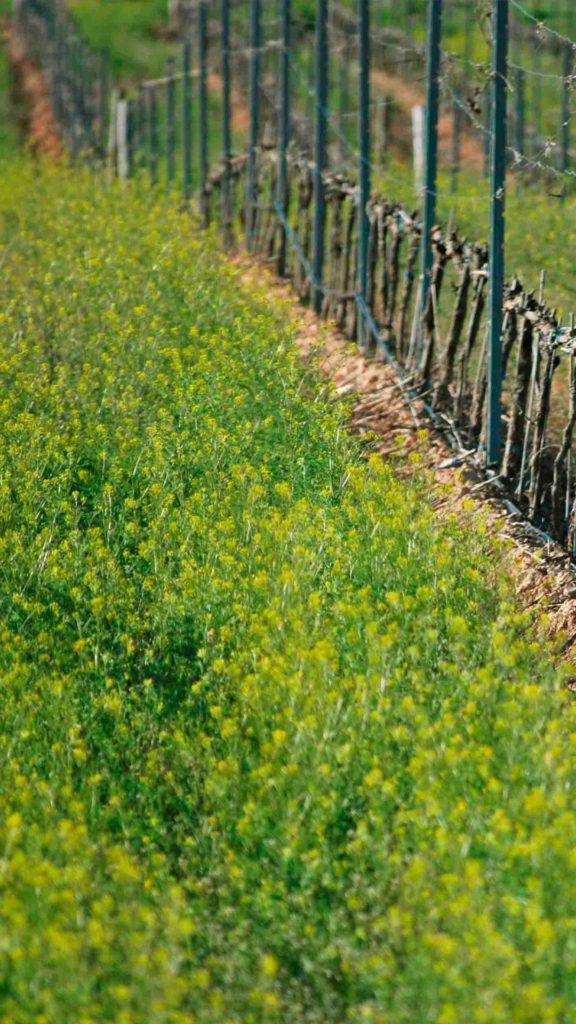
Ground covers are those plant structures (living or dead) that cover the soil surface. In general, all ground covers improve soil stability and structure, provide organic matter and serve as a refuge for pollinators and natural enemies. In areas with slopes or intense rainfall, they reduce soil and nutrient erosion, and allow machinery to circulate after heavy rainfall.

These green structures can become the grower's perfect ally as long as they are well planned and managed so that they do not compete with the crop at critical moments.

Green roofs can be classified as:

- Spontaneous or sown.
- Temporary or permanent Annual or perennial.
- Green manures or floral bands.
- And according to other benefits they provide to the soil and the crop.
Cover crops and crop yields

Vegetative and planted covers

Groundcovers formed by plants naturally present in the field are considered spontaneous, while sown groundcovers are those that have been cultivated from selected seed mixtures.

The main advantage of spontaneous covers is that they are species adapted to the soil and climate; however, since they are not selected, they can compete with the crop for water and nutrients during periods of maximum needs.

The cover crops are chosen according to the characteristics of the field (soil, climate and crop) and the objectives to be achieved with that particular mix of species.

Temporary or permanent covers

Depending on the permanence of the cover, we speak of temporary or permanent covers.

Temporary covers are those that are in the field for a limited time, generally less than the complete cycle, and are mowed and incorporated into the soil before they can produce seeds. They are usually planted with a specific soil improvement objective, such as increasing organic matter, reducing the presence of nematodes or recovering nutrients leached during previous crops.

Permanent covers are those that are managed to remain in the field year after year without the need for reseeding.

Annual or perennial covers

Depending on the length of the phenological cycle, like other crops and botanical species, we can distinguish between perennial and annual covers.

In areas with dry and hot summers, it is recommended to use short-cycle annual plants so that they will dry out before summer and do not compete for water with the crop.

Green manures or floral strips

Groundcovers are another tool for growers; they can improve soil structure, fix atmospheric nitrogen, attract beneficial insects, improve pollination, etc.

The most common mixtures to provide organic matter and nitrogen to the soil are made up of grasses and legumes in an 80-20 ratio. They are considered green manures due to the amount of biomass they produce in short periods of time and the nitrogen they provide thanks to the legumes and the symbiosis with bacteria of the Rhizobium genus.

Sometimes mixtures of plants that produce many flowers are planted between crop rows or in the margins. Mixtures of species with staggered blooms are chosen to attract and serve as refuges for pollinators and other beneficial insects. These biodiversity structures in the form of floral bands have positive effects on pollination and on the survival of colonies of natural enemies of certain pests.

Some species such as crucifers (or brassicas) are used as biocides to reduce the populations of certain nematodes, fungi and soil bacteria, and even prevent the germination of certain adventitious plants. One of the mechanisms, known as biofumigation, is the production of toxic substances generated by the decomposition of these plants.

Customized Fields Plan

Our sales team will contact you to choose the best plan according to your needs.